Solving Common Plumbing Issues Effectively: A Friendly Guide

Plumbing problems can sneak up on us when we least expect them. Whether it’s a dripping faucet or a clogged drain, these issues can disrupt our daily routines and cause unnecessary stress. I’ve learned that tackling common plumbing issues early and with the right approach can save a lot of time, money, and headaches. In this post, I’ll share practical tips and insights to help you handle these problems effectively. Let’s dive in and make plumbing troubles a thing of the past!
Understanding Common Plumbing Issues
Plumbing issues come in many shapes and sizes, but some are more frequent than others. Knowing what to look for and how to address these problems can make a big difference. Here are some of the most common plumbing issues you might encounter:
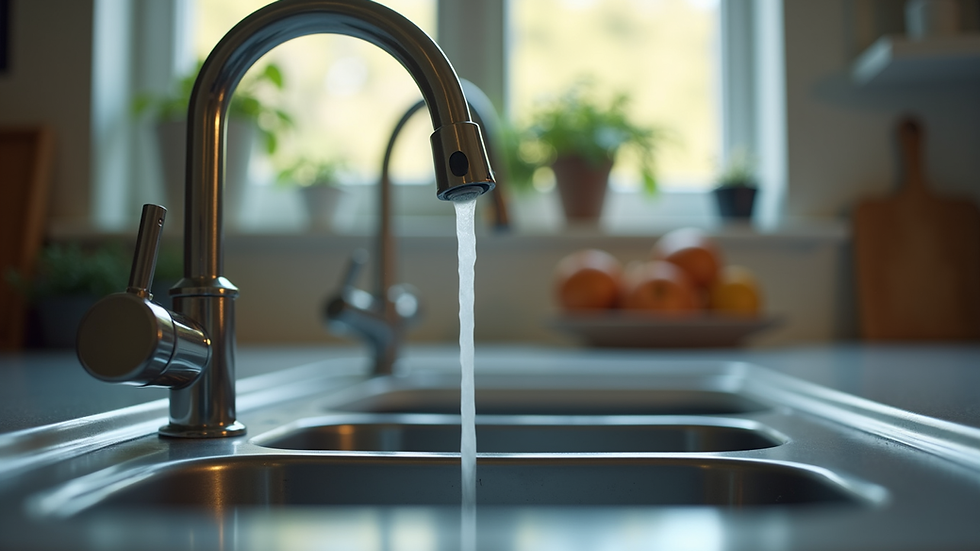
Leaky Faucets: A dripping faucet is not just annoying; it wastes water and can increase your utility bills.
Clogged Drains: Hair, soap, and food particles often cause slow or blocked drains.
Running Toilets: A toilet that keeps running can waste gallons of water every day.
Low Water Pressure: This can be caused by mineral buildup, leaks, or issues with the water supply.
Water Heater Problems: No hot water or inconsistent temperatures can disrupt your comfort.
Each of these issues has simple fixes you can try at home, but sometimes professional help is the best route. Remember, addressing problems early prevents bigger damage down the line.
How to Fix Common Plumbing Issues Yourself
I know it can be tempting to call a plumber right away, but some plumbing problems are easy to fix with a little guidance. Here’s how you can tackle a few common issues:
Fixing a Leaky Faucet
A leaky faucet usually means a worn-out washer or seal. Here’s a quick way to fix it:
Turn off the water supply under the sink.
Remove the faucet handle using a screwdriver.
Replace the washer or O-ring inside.
Reassemble the faucet and turn the water back on.
This simple repair can stop the drip and save water immediately.
Clearing a Clogged Drain
For slow or clogged drains, try these steps:
Use a plunger to create suction and dislodge the blockage.
Pour a mixture of baking soda and vinegar down the drain, followed by hot water.
Use a drain snake to reach deeper clogs.
Avoid harsh chemical drain cleaners as they can damage your pipes over time.
Stopping a Running Toilet
A running toilet often means the flapper valve inside the tank isn’t sealing properly. To fix it:
Remove the tank lid and check the flapper.
Replace the flapper if it’s worn or damaged.
Adjust the float arm to ensure the tank fills correctly.
These fixes usually stop the constant running and save water.
Improving Low Water Pressure
Low water pressure can be frustrating. Here’s what you can do:
Clean faucet aerators and showerheads to remove mineral buildup.
Check for leaks in visible pipes.
If the problem persists, it might be time to call a professional.
If you’re unsure about any step, it’s always okay to ask for help.

What do local plumbers charge per hour?
Understanding the cost of professional plumbing help is important when deciding whether to DIY or call an expert. Local plumbers typically charge between $45 and $150 per hour, depending on factors like:
The complexity of the job
The plumber’s experience and reputation
Your location and time of service (emergency calls may cost more)
Some plumbers offer flat rates for common repairs, which can be more affordable. Always ask for an estimate before work begins to avoid surprises.
Remember, investing in quality plumbing services can save you money in the long run by preventing bigger issues.
When to Call a Professional for Plumbing Help
While many plumbing problems can be fixed at home, some situations require professional expertise. Here are signs it’s time to call a plumber:
Persistent leaks that you can’t locate or fix
Sewage backups or foul odors
Water heater malfunctions beyond simple resets
Major pipe bursts or flooding
Low water pressure affecting the whole house
Professional plumbers have the tools and knowledge to handle these issues safely and efficiently. If you’re ever in doubt, it’s better to be safe and reach out for help.
If you’re looking for reliable plumbing services, choosing a trusted local company ensures you get honest advice and quality work.
Tips to Prevent Plumbing Problems Before They Start
Prevention is always better than repair. Here are some easy ways to keep your plumbing in good shape:
Regularly check for leaks: Inspect under sinks and around toilets.
Avoid pouring grease down drains: It can harden and cause blockages.
Use drain guards: These catch hair and debris before they clog pipes.
Flush water heaters annually: This removes sediment buildup and extends their life.
Know where your main water shutoff valve is: In case of emergencies, you can stop water flow quickly.
By staying proactive, you can avoid many common plumbing headaches.
Building Trust with Your Plumbing Professionals
Finding a plumber you can trust is key. When you work with a company that treats you like family, you feel confident that the job will be done right. Look for:
Clear communication and transparent pricing
Positive reviews from your community
Licensed and insured professionals
A commitment to quality and customer care
At The Way Plumbing LLC, the goal is to build lasting relationships by delivering honest, high-quality work every time. When you need help, you want someone who cares about your home as much as you do.
I hope this guide helps you feel more confident about handling common plumbing issues. Remember, a little knowledge and timely action can go a long way in keeping your plumbing running smoothly. If you ever need expert assistance, don’t hesitate to reach out to trusted professionals who treat you like family. Here’s to a worry-free plumbing experience!


Comments